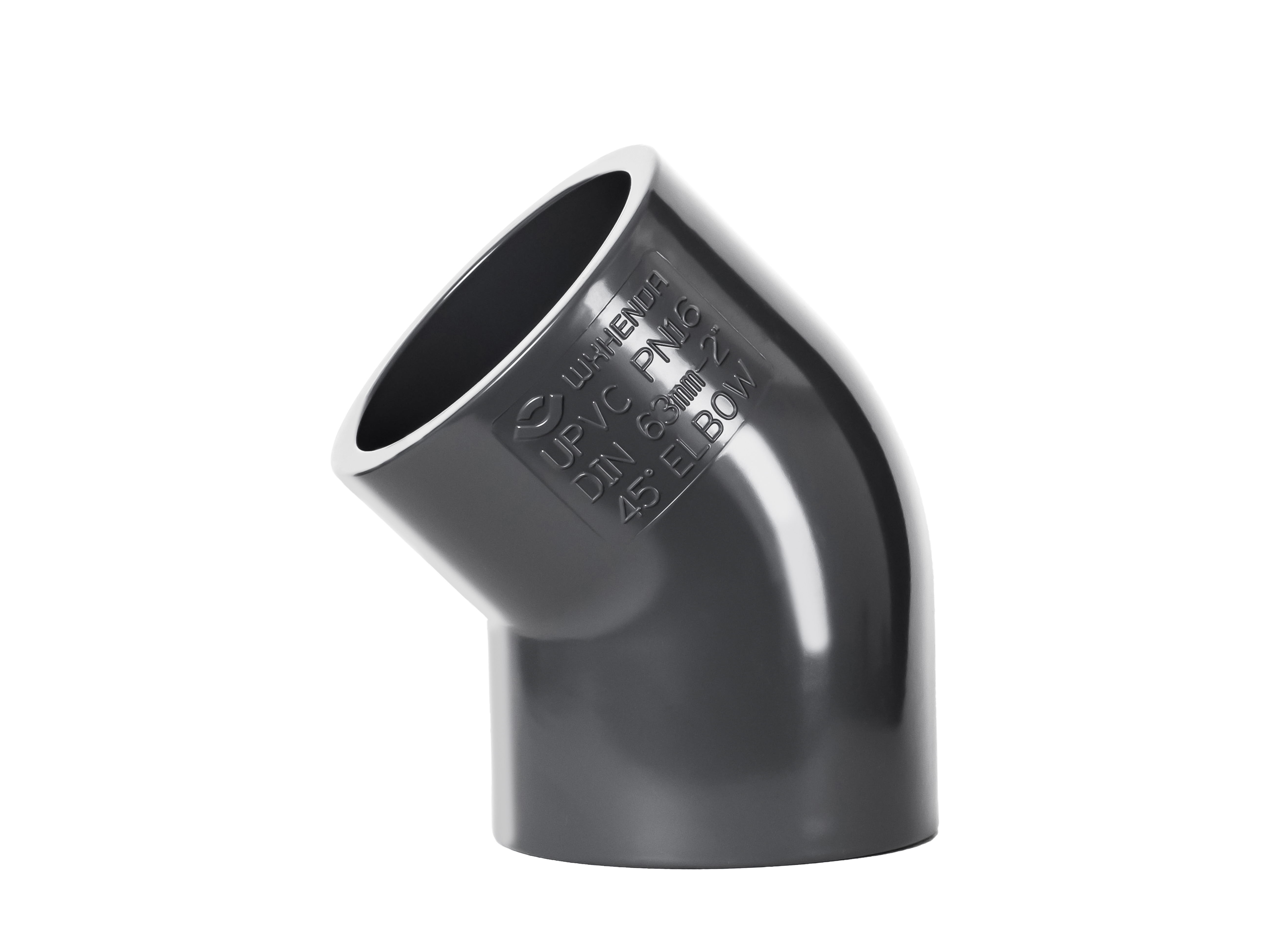
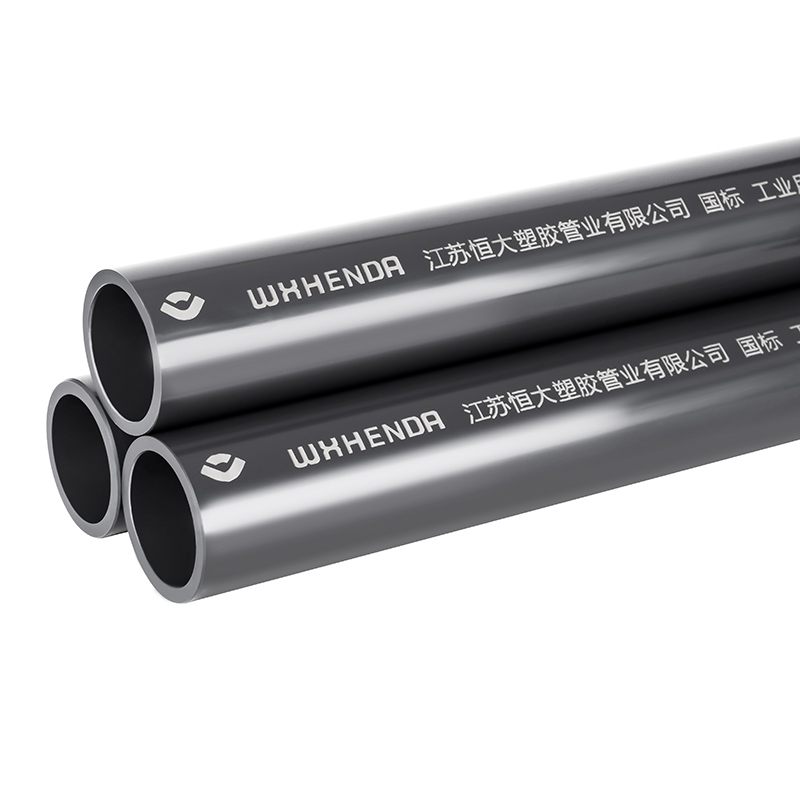
As the core connecting components of the pipeline system, the quality of pipe fittings directly determines the tightness, durability and safety of the system. Whether in industrial transportation, building water supply and drainage, chemical industry, water treatment and other scenarios, choosing inferior pipe fittings will easily lead to water leakage, corrosion, fracture and other problems in the later stage, which not only increases maintenance costs, but also may cause potential safety hazards. With years of experience in pipe fitting production, WXHENDA combines its own production experience and industry standards to share 4 simple and easy-to-operate methods to help you quickly distinguish the quality of pipe fittings and easily select reliable products.
1. Check the Appearance: Details Reveal Quality
The visible difference between high-quality and inferior pipe fittings is their appearance, which is also the easiest method to get started. High-quality pipe fittings (such as WXHENDA pipe fittings) have a uniform color, consistent with the natural color of the corresponding material (UPVC is milky white, CPVC is light gray, PVDF is translucent or white), without yellowing, blackening or miscellaneous spots; the surface is smooth and flat, without burrs, scratches, depressions or bubbles, and the port is cut neatly without skew or burrs.On the contrary, inferior pipe fittings have messy colors, mostly with variegation and color difference, rough surface with burrs, and even defects such as bubbles, cracks and depressions. The port cutting is irregular. Most of these pipe fittings are made of recycled materials, with impure materials and extremely poor strength and tightness.
2. Feel the Texture: Hand Feel Can Distinguish Superiority and Inferiority
Appearance alone is not enough; touching by hand can further judge the quality of pipe fittings. High-quality pipe fittings feel delicate and smooth, without rough granularity, with uniform wall thickness. When gently pressed and bent (for tough materials), they are not easy to deform or break, with a solid texture and no "light" feeling; the interface threads are clear and regular, without slipping or defects, and the connection is smooth.Inferior pipe fittings feel rough, even with prickly burrs, and uneven wall thickness, with some parts being too thin and some too thick. They are easy to deform when gently squeezed by hand, with poor toughness and easy to break when bent. They are light in weight, with vague and irregular threads and loose connections, which are prone to water leakage during later installation.
3. Check the Marking: Regular Products Have an "ID Card"
High-quality pipe fittings produced by regular manufacturers will be marked with complete labels, which is a key basis for distinguishing good from bad, and also the production standard adhered to by WXHENDA pipe fittings. The surface of high-quality pipe fittings will clearly mark the brand (such as WXHENDA), material (UPVC/CPVC/PPH/PVDF, etc.), specification and model, implementation standard, production batch and production date. The marks are clear, not easy to wipe off, and the information is completely traceable.Most inferior pipe fittings have no marks, or the marks are vague and easy to wipe off, without specifications, standards or production information, and even falsely use the marks of well-known brands. Such pipe fittings have not undergone any quality inspection, with no quality guarantee, and are "three-no" products that must not be purchased.
4. Test the Performance: Simple Tests Show the Truth
If conditions permit, simple tests can be carried out to further verify the quality of pipe fittings, focusing on tightness and material toughness. Tightness test: connect the pipe fitting interface with the corresponding pipe, manually tighten it, pour a small amount of clean water, and observe whether there is water leakage or seepage. High-quality pipe fittings are closely connected without any leakage; Toughness test: gently bend tough material pipe fittings such as PPH and PVDF. High-quality pipe fittings are not easy to break or crack, while inferior ones are easy to be brittle and crack.In addition, high-quality pipe fittings have no pungent odor. Due to the use of recycled materials or inferior raw materials, inferior pipe fittings will emit a pungent plastic odor and peculiar smell, which may release harmful substances after long-term use, especially unsuitable for drinking water, food and pharmaceutical and other scenarios.
WXHENDA Reminder: Choose the Right Pipe Fittings for Peace of Mind
When purchasing pipe fittings, do not choose inferior products for the sake of cheapness. A temporary low price may lead to frequent maintenance and replacement troubles in the later stage, and even potential safety hazards. As a professional pipe fitting manufacturer, WXHENDA adopts high-quality primary raw materials for all pipe fittings, strictly follows industry standards, and leaves the factory after multiple quality inspections. With regular appearance, solid texture, complete marks and stable performance, it is suitable for various industrial scenarios and avoids quality risks from the source.Master the above 4 methods to easily avoid pipe fitting purchasing traps and select high-quality and durable pipe fittings. For more pipe fitting purchasing skills or to consult details about WXHENDA pipe fitting products, please feel free to contact us. Our professional team will provide you with exclusive solutions.
We use cookies to offer you a better browsing experience, analyze site traffic and personalize content. By using this site, you agree to our use of cookies. Privacy Policy