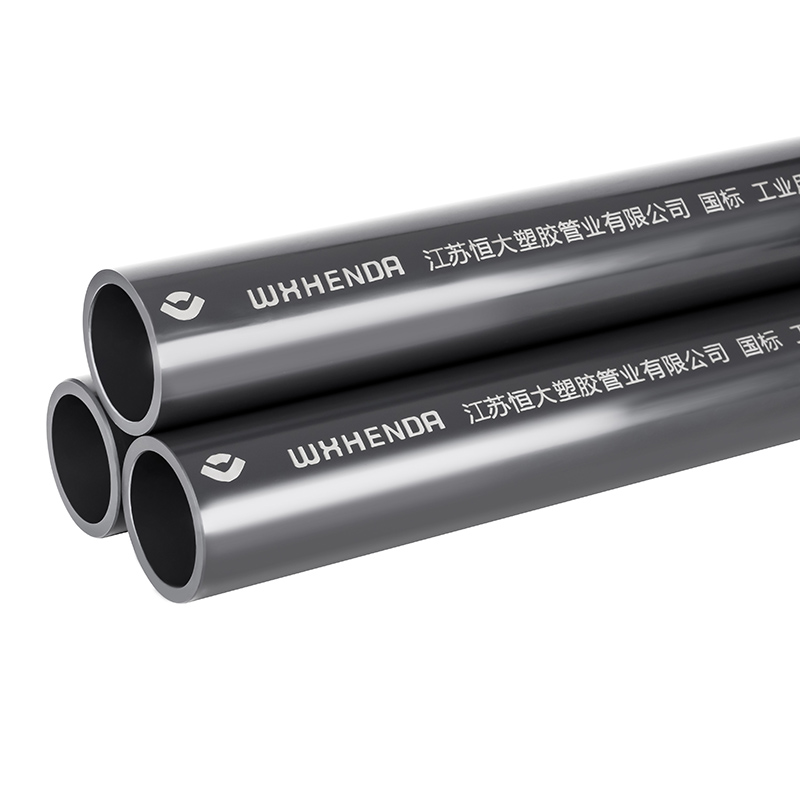
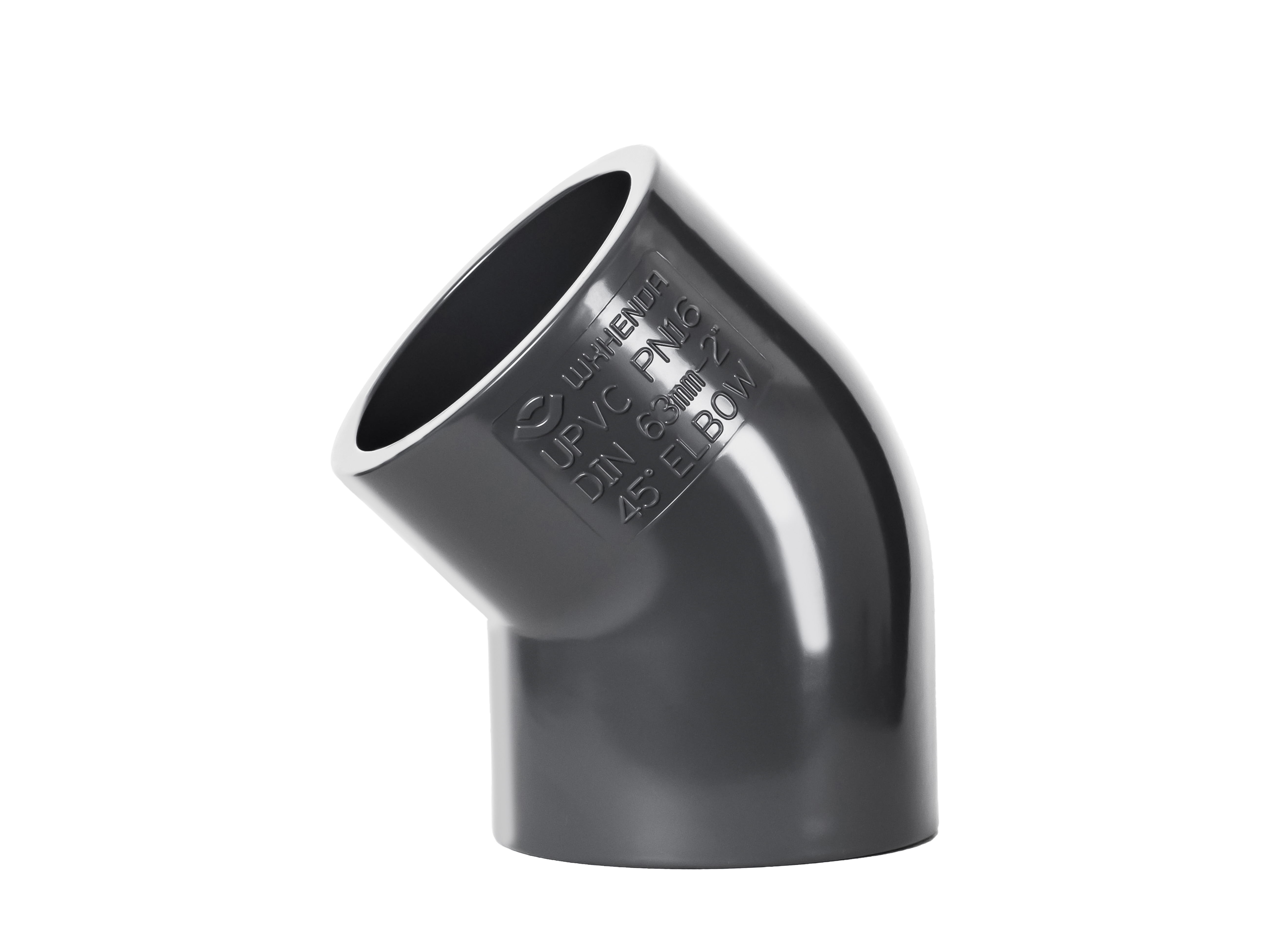
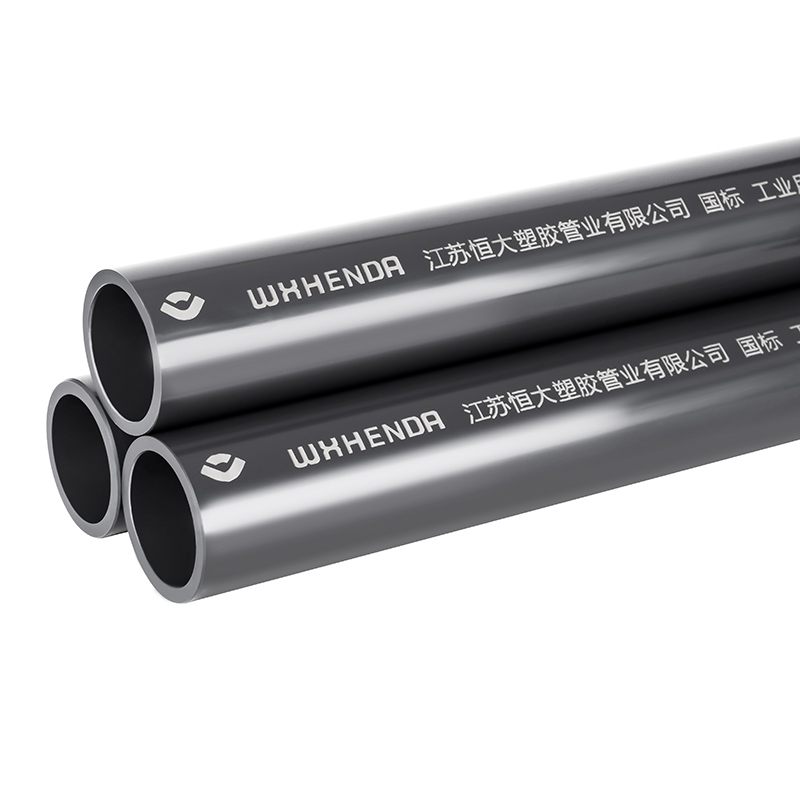
When I compare piping options on schools, clinics, hotels, and suburban housing, I keep returning to one quiet performer: WXHENGDA solutions built around UPVC Plumbing Systems. They are light to handle, predictable to model, and fast to install. That combination shortens punch lists and reduces callbacks. In this field guide, I’ll share how I specify, route, and commission these systems so owners get reliable water delivery. I’ll also spell out where UPVC Plumbing Systems shine, where I draw the line, and how I audit a supplier in an afternoon to protect schedule and warranty.
I treat UPVC pipe as a precision component rather than a commodity. Unplasticized PVC keeps the resin rigid, so geometry stays consistent and the bore remains smooth. That means predictable friction losses, easy hydraulic modeling, and fewer surprises when balancing flows. On lifts and in ceiling voids, the light weight speeds installation. The cut-and-cement workflow eliminates hot-work permits that metal lines often require.
Because the material window favors cold water distribution, I keep continuous hot circuits on other materials. For cold mains, branches, and many irrigation runs, UPVC fittings keep geometry tight, and the system behaves as modeled. I exclude steam and continuous high-temperature lines so joints never face creep beyond their comfort zone. When used inside its lane, UPVC Plumbing Systems are boring—in the best way.
I start with the route, not the parts list. If I can remove four elbows with smarter routing, I eliminate four potential leak sites. I also standardize on a single adhesive system site-wide so no one mixes products and voids a warranty. Support spacing, expansion control, and valve strategy do the rest.
| Design Variable | UPVC Recommendation | Why It Matters |
|---|---|---|
| Max straight run before offset | 12–18 m typical, then add expansion loop | Protects sockets from long-run thermal strain |
| Hanger spacing DN20–DN50 | 0.8–1.2 m depending on size | Prevents mid-span sag and torsion at joints |
| Valve placement | At branch heads and every 3–4 fixtures | Limits isolation scope during maintenance |
| Adhesive open time | 10–30 seconds typical per climate | Ensures full fusion; avoids dry-fit failures |
| Pressure test margin | 1.5× max operating pressure | Reveals slow leaks before finishes go in |
Throughout design, I keep verifying the pressure rating, joint chemistry, and movement control. Those three decide whether your UPVC Plumbing Systems stay quiet and dry for years or start complaining the first summer.
If your priorities are hygiene, stable hydraulics, and low maintenance for cold lines, UPVC often wins. If you need sustained hot water, shift that circuit to a temperature-rated plastic or metal. I share this side-by-side early in design meetings to align expectations.
| Property | UPVC | PPR | Copper | Galvanized Steel |
|---|---|---|---|---|
| Service Temperature Window | Cold lines, intermittent warm | Cold & hot domestic | Cold & hot domestic | Cold to warm |
| Internal Smoothness Over Life | Very smooth, low fouling | Smooth | Can scale and pit | Scales, corrodes |
| Corrosion Behavior | corrosion resistance in many waters | Resistant | Risk in aggressive waters | Corrodes without lining |
| Jointing Complexity | Fast with solvent cement | Heat fusion tools | Solder/press fittings | Threading & sealing |
| Weight & Handling | Light; overhead friendly | Light | Moderate | Heavy |
| Taste/Smell For Potable | Neutral when certified | Neutral | Possible metallic notes | Often metallic taste |
| Installed Cost | Low materials + labor | Low to medium | Medium to high | High |
Coastal projects appreciate the absence of rust stains; irrigation appreciates chemical compatibility; schools appreciate the acoustic damping versus metal. In these contexts, UPVC Plumbing Systems deliver predictable value.
Most of my code checks cluster around potable approvals, fire-stopping, and marking continuity. In hot regions, rooftop UV exposure needs shielding; in cold regions, insulation and expansion allowances preserve impact toughness. I run a simple checklist before drawings leave 90%.
With these boxes checked, I’ve delivered dozens of installs where inspections passed on the first visit. The material isn’t magic; it simply rewards respect for its design window.
I specify solvent-welded sockets because the chemistry softens surfaces and fuses them into a single structure as the solvent flashes. The routine is simple, repeatable, and doesn’t require hot work. Here’s the sequence I enforce on every crew:
Every step removes a variable. Follow the steps, and UPVC fittings and pipe behave like one piece. Skip them, and a tiny error shows up as a mystery drip after ceilings close. The difference is discipline, not luck.
My purchase spec reads like a preflight checklist, and it saves weeks later.
| Item | Spec To Verify | Field Note |
|---|---|---|
| Pipes DN15–DN110 | Correct class for static and transients | Check pump starts, valve slam scenarios |
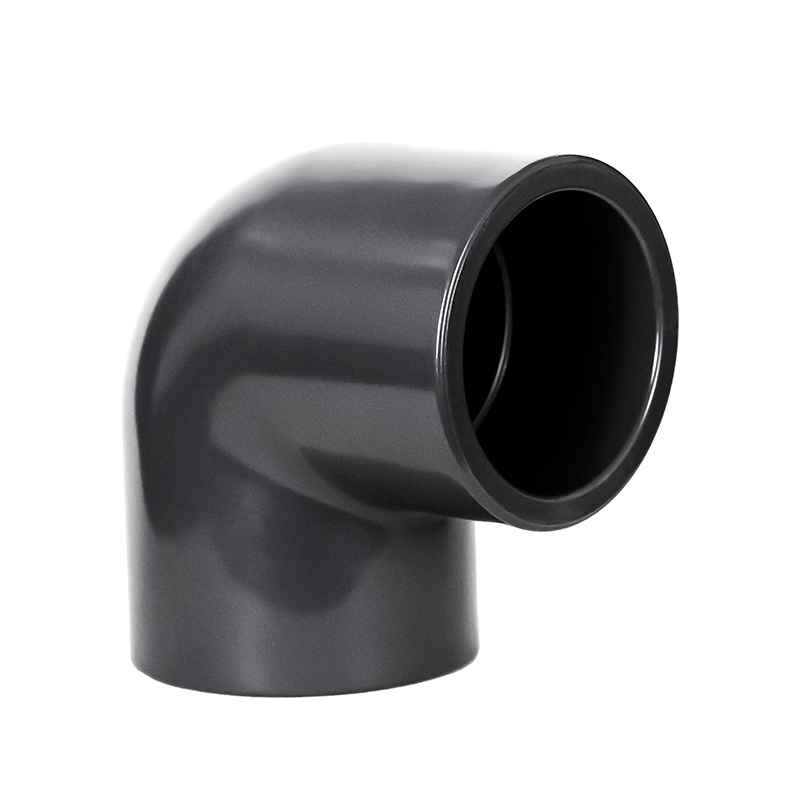
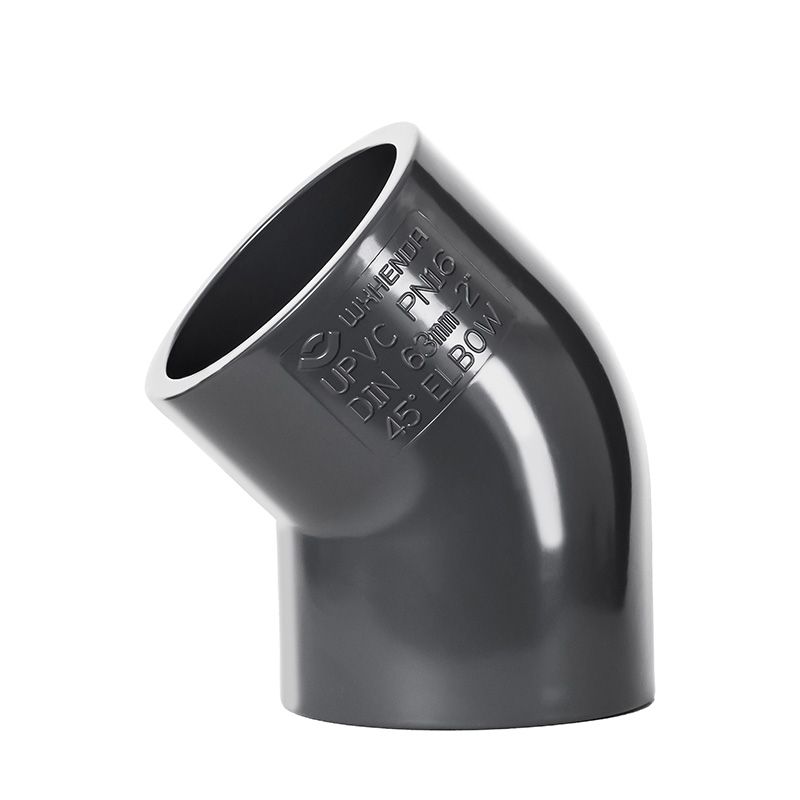
| Elbows/Tees | Socket depth and angle accuracy | Dry-fit three per size at delivery |
| Valves | Seat material compatibility | Stock spare seals on site |
| Adhesives | Open time vs. ambient temperature | Shade jointing areas in hot weather |
| Insulation | Thickness per climate & code | Allow for expansion at guides |
Once procurement aligns with design intent, the installation team can focus on productivity. That’s when UPVC Plumbing Systems deliver the savings you promised in the proposal.
I keep caps on pipe ends, store adhesives within the temperature window, and protect sockets from dust. During install, supervisors log cure times on a whiteboard by zone. At test time, I follow a routine that reveals slow leaks before finishes go in.
The goal is a boring test: no drama, clean readings, and clear records. Owners remember smooth handovers more than any spec sheet.
Plastics help by damping vibration, but only if you guide movement and slow transients.
With these tactics, even lightweight apartment structures stay quiet. It’s not complicated—just deliberate.
Install is faster due to weight and jointing, repairs are simple cut-and-couple operations, and corrosion isn’t a recurring line item. Energy costs can drop slightly because low friction maintains design flows at modest pump heads. I baseline the economics so clients see the big picture, not just line-item pipe costs.
| Cost Component (5–10 Years) | UPVC Expectation | Metal Baseline | Why UPVC Often Wins |
|---|---|---|---|
| Installation Labor | Lower due to light handling & fast joints | Higher (hot work, threading, pressing) | Fewer permits, faster overhead work |
| Maintenance | Low; no rust mitigation | Medium to high; corrosion management | corrosion resistance cuts recurring tasks |
| Repairs | Cut and replace with couplings | Special tools; hot work or press tools | Simple tools and spares |
| Hydraulic Efficiency | Stable with smooth bores | Declines with scale | Smaller pumps or lower energy drift |
When owners weigh these factors, the total cost story usually favors UPVC Plumbing Systems for cold water lines—especially in multi-tenant and education projects.
This is where WXHENGDA often differentiates itself on my projects, but I run the same audit on everyone.
Suppliers who embrace these questions usually deliver on schedule and warranty. The rest disqualify themselves with silence.
Q Can I use UPVC for hot water lines
A I keep UPVC Plumbing Systems for cold or intermittently warm lines. Continuous hot water lives on materials designed for elevated temperatures so dimensions and joints remain stable.
Q Will UPVC change the taste or smell of drinking water
A With certified products, proper storage, and post-install flushing, taste remains neutral. I verify potable approvals and keep ends capped during installation.
Q How do I stop sockets from leaking after handover
A Square cuts, deburring, correct primer, and a full, even coat of solvent cement are non-negotiable. Mark insertion depth and hold joints for the specified seconds.
Q What about ultraviolet exposure on rooftops
A I shield exposed runs with covers or compatible coatings. Even with UV-stabilized product, I minimize direct sun to preserve long-term toughness.
Q How do you size the pipe without overspending
A I model fixture groups and velocities using the smooth-bore assumption of UPVC pipe. That lets me avoid oversizing while keeping noise and pressure drops in range.
Q What test pressure do you choose during commissioning
A I align with the system’s pressure rating and hold 1.5× maximum operating pressure long enough to expose slow leaks before finishes go in.
Q Are repairs difficult if a section is damaged later
A Repairs are straightforward. I cut out the damaged span, dry-fit, then solvent-weld replacement couplings. Full cure comes before repressurizing, and records go into the maintenance log.
Q Why pick WXHENGDA instead of another brand
A I look for consistent sockets, clear adhesive instructions, reliable traceability, and field training. WXHENGDA ticks those boxes on my audits, which shortens crew learning curves and reduces call-backs.
Match the material to the job, then execute fundamentals with discipline—that principle has carried my projects for years. When I apply it to UPVC Plumbing Systems, the results are predictable: clean installs, quiet operation, easy maintenance, and handovers that make owners smile. If you’re planning a school wing, a clinic expansion, an apartment stack, or an irrigation retrofit, share your fixture counts, pressure targets, and routing constraints, and I’ll help you lock a practical spec using WXHENGDA components—pipe, UPVC fittings, primer, and solvent cement—so procurement is smooth and the pressure test is uneventful.
Ready to review drawings, refine a bill of materials, or schedule a pilot zone for your crew training? Please contact us with your project timeline and site conditions. Send your inquiry today—let’s build a cold water system that performs exactly as promised.